Dull, ridged, or uneven nails? Never again! While a file defines the shape of the nail, a buffer is the secret tool for revealing its natural shine. So, why buff your nails, and with what tools? We’ve put together a complete guide to learn a little more about this magical technique that ensures a long-lasting and radiant manicure, with or without nail polish.
Why is it so good to buff your nails?
Filing or buffing: what’s the difference?
Filing and buffing are the same thing, right? Not really. While they are two essential steps in preparing your nails before applying nail polish, the technical steps have nothing to do with each other.
- Filing: This is the process of creating a nail shape with a nail file, whether square, round, almond-shaped, or otherwise, by filing the free edge of the nail.
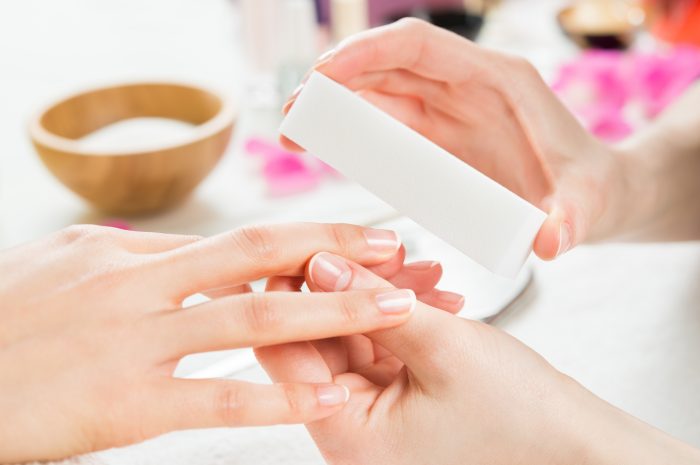
- Buffing: This is the process of shaping the nail surface to make it smooth and even. Combined with an exfoliating treatment, it gives bare nails a natural shine without the need for anything else.
An essential step for clean nails and a long-lasting manicure
Nail buffing has many benefits, sometimes overlooked, that enhance the performance of your at-home manicure routine. It helps to:
- Smooth out ridges and erase small irregularities.
- Stimulate microcirculation around the nail matrix.
- Create a uniform surface that makes nail polish easier to apply.
- Achieve a glossy effect on natural, unpolished nails.
Fun fact: With the “bare nails” trend, which favors bare, shiny nails, buffing has successfully dethroned clear polish!
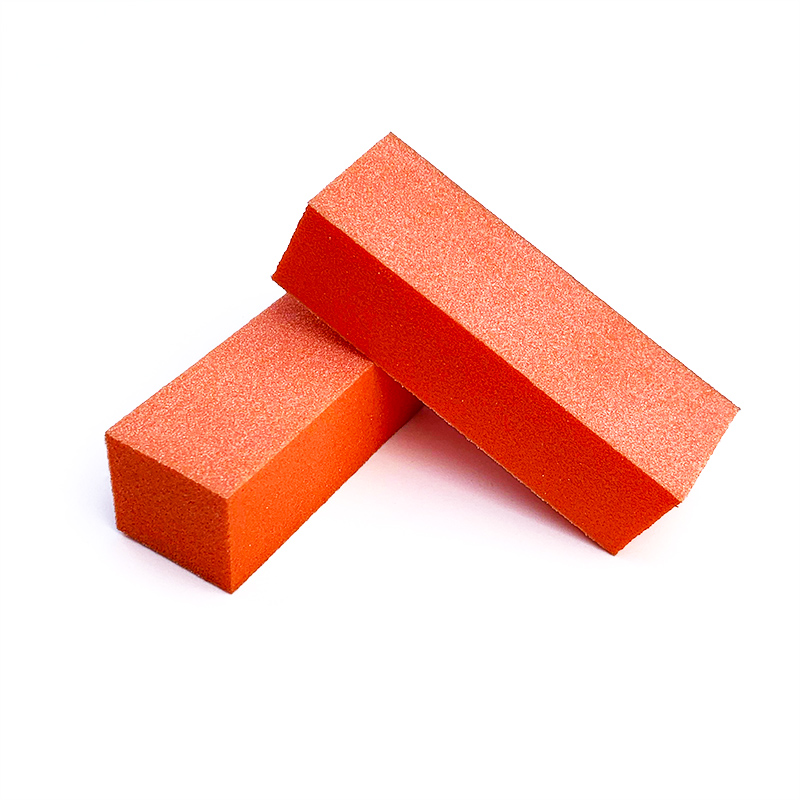
While buffing your nails is relatively simple, there are still some tips to know to do it properly. There are several types of buffing blocks, but be careful, they have very specific functions.
Preparing your nails before applying nail polish
As we’ve seen, buffing is one of the essential steps in preparing your nails before applying nail polish. It comes after filing your nails and caring for your cuticles, when the nail contour is clean and neat.
Mistakes to avoid when buffing your nails
- Buffing too often: this can thin the nail plate.
- Use the right grit: Be sure to use the fine-grit side of the buffer for fingernails; the coarse-grit side is better for toenails. If you have fragile nails, opt for a file with a very fine grit.
- Forgetting to moisturize: a polished but dry nail cracks more easily. Moisturize and nourish your nails with a treatment based on sweet almond or coconut oil.
Polishing your nails is more than just a simple aesthetic gesture; it’s a true preparation and maintenance ritual. With the right tools and treatments, it guarantees long-lasting results for your at-home manicure, with or without nail polish!
Read also: The Modern Nail Artist’s Essential Tool: A Look at the Advanced Nail Drill Machine