I’ll never forget the first time I tried to remove gel polish at home. I peeled off a lifted edge, and the whole thing came off in one satisfying strip—along with several layers of my natural nail. My nail was thin, sensitive, and took months to recover. I learned that day: how you remove semi-permanent polish matters just as much as how you apply it.
There are two professional methods for removing gel polish: acetone soaking and electric filing (e-file) . Both work, but they serve different purposes and require different techniques. Here’s everything you need to know to choose the right method and use it safely.
Why Proper Removal Matters
Semi-permanent polish (gel) is designed to bond tightly to your nail. That’s why it lasts weeks without chipping. When you try to peel or scrape it off, you’re not just removing polish—you’re ripping off layers of your natural nail plate.
Proper removal preserves your nail’s thickness and health. It takes a little more time, but your nails will thank you by staying strong and smooth.
Method 1: Acetone Soak (The Gentle, Beginner-Friendly Way)
Acetone is a powerful solvent that breaks down the chemical bonds in gel polish. When used correctly, it softens the gel so it slides off without scraping.
What You’ll Need
- Pure acetone (not “acetone-free” remover—that won’t work)
- Cotton balls or pads
- Aluminum foil (cut into 10 squares, about 3×3 inches)
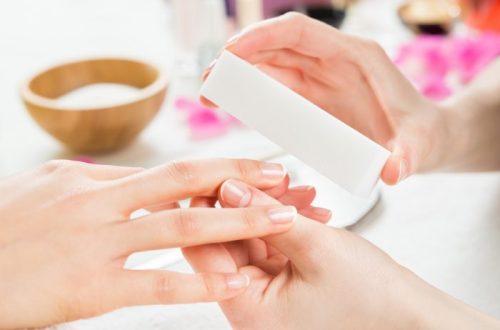
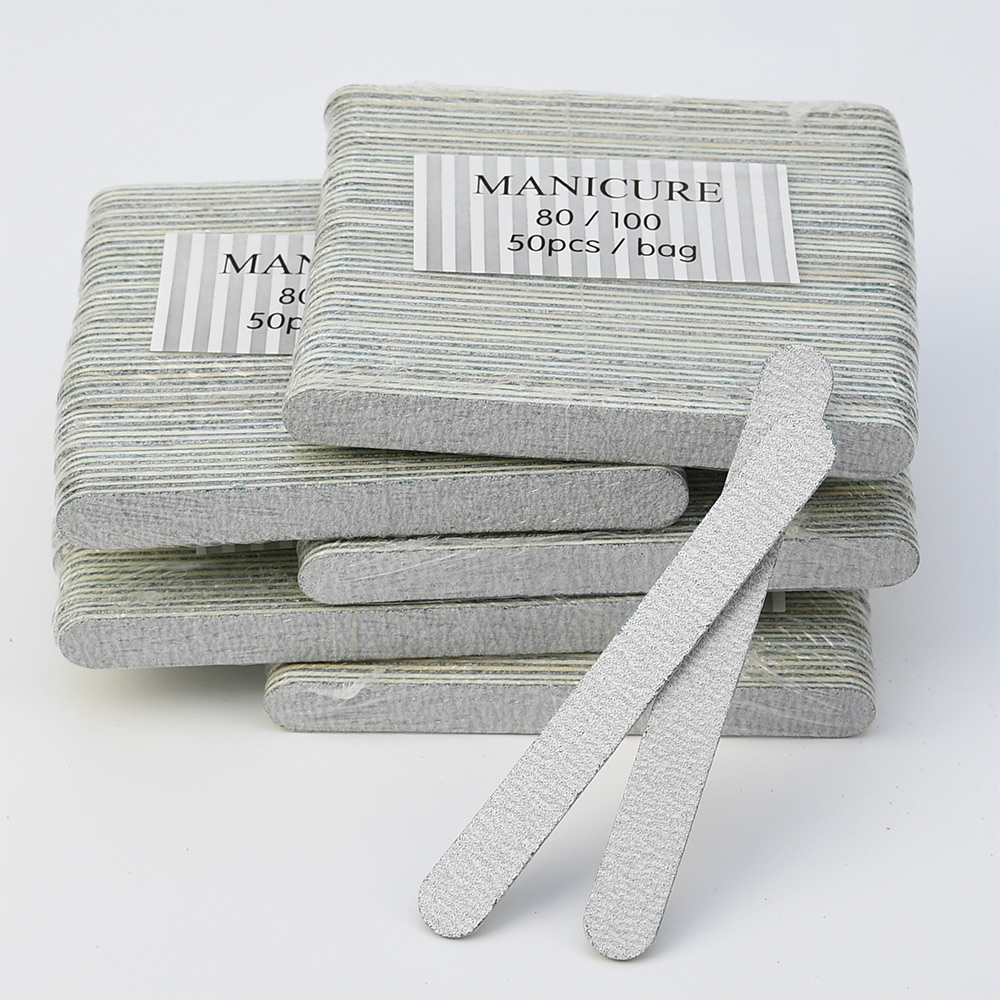
- Nail file or buffer (180-240 grit)
- Cuticle pusher or orangewood stick (wood is gentler)
- Cuticle oil and hand cream (for aftercare)
Step-by-Step
1. File the top layer. Gently buff the shiny top coat off each nail. This allows acetone to penetrate. Don’t file down to your natural nail—just rough up the surface.
2. Soak cotton. Saturate a cotton ball with pure acetone. It should be wet but not dripping.
3. Wrap with foil. Place the cotton on your nail, wrap the foil tightly around your fingertip to hold it in place. Repeat for all ten fingers.
4. Wait. Set a timer for 10-15 minutes. Don’t peek—every time you unwrap, you release acetone vapor and slow the process.
5. Check and push. Unwrap one finger and gently push the gel with a wooden stick. The gel should slide off easily. If it resists, rewrap and wait 5 more minutes.
6. Never scrape. If gel isn’t coming off, you didn’t wait long enough. Forcing it damages the nail.
7. Buff any residue. Lightly buff away tiny leftover bits.
8. Wash and hydrate. Wash hands with soap and water, then apply cuticle oil generously. Acetone is very drying.
Pros of Acetone Method
- Gentle on nails when done correctly
- No expensive equipment needed
- Safe for beginners (low risk of over-filing)
- Works on all gel types (soft gel, gel polish, some builder gels)
Cons of Acetone Method
- Takes time (15-20 minutes)
- Can dry out skin (use oil afterward)
- Messy (foil wraps can leak)
- Not effective on hard gel or acrylic (those require filing)
Method 2: Electric File (E-File) – The Pro’s Choice
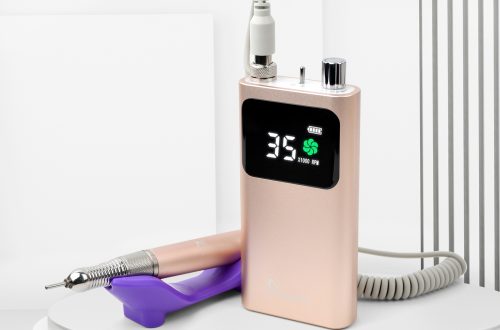
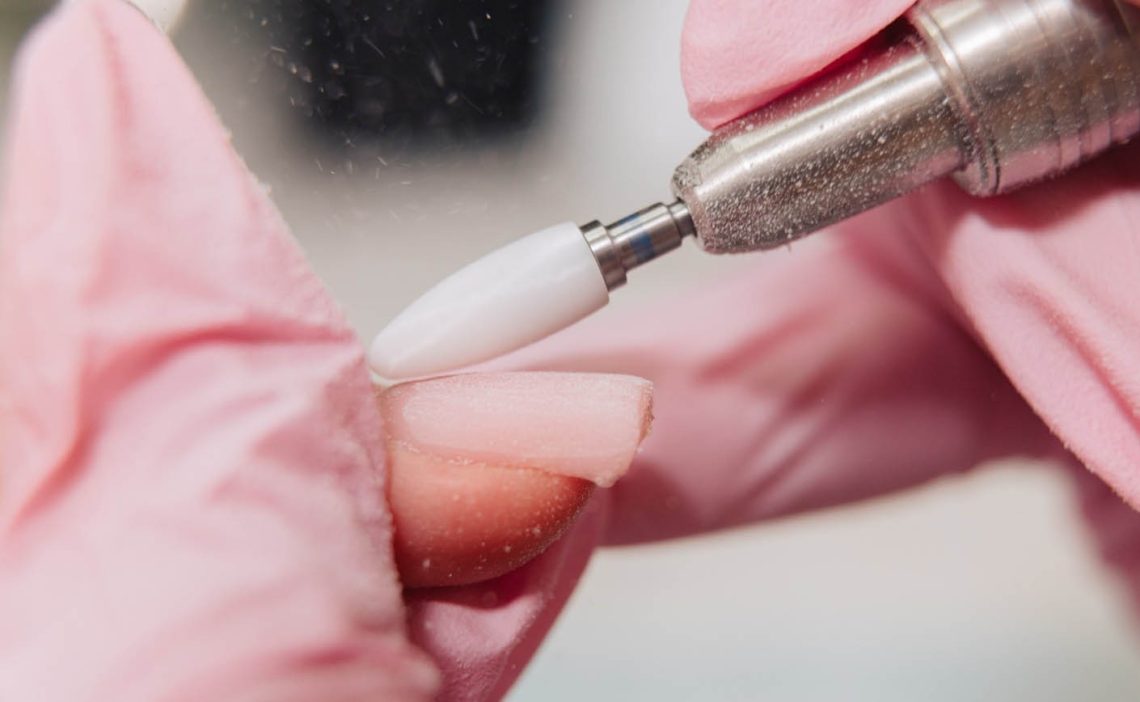
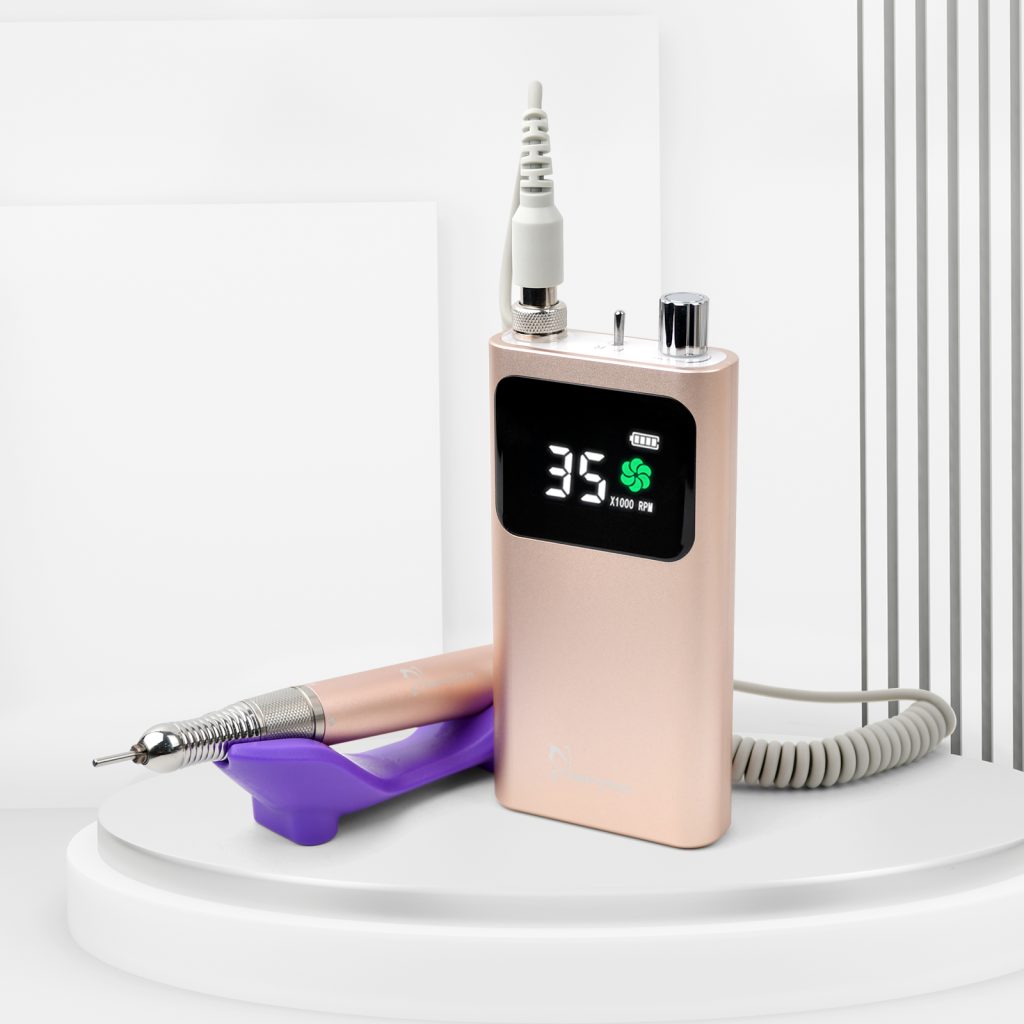
An electric nail file (also called e-file or nail drill) uses rotating bits to gently file away gel polish. It’s faster than acetone and the preferred method in salons—but it requires skill and care.
What You’ll Need
- Electric file with adjustable speed (low RPMs for removal)
- Carbide or ceramic bits (for product removal)
- Sanding bands (for smoothing)
- Dust brush
- Safety glasses (optional but smart—dust flies)
- Cuticle oil
Step-by-Step
1. Choose the right bit. For removing gel polish, use a fine-grit carbide or ceramic bit or a medium-grit sanding band. Never use coarse bits on natural nails.
2. Set a low speed. Start at 3,000-5,000 RPM (check your e-file manual). You can increase speed as you gain confidence, but low is safer.
3. Hold the file correctly. Grip it like a pencil. Keep the bit moving—never stop in one spot, which creates heat and can burn the nail.
4. File in one direction. Gently buff away the gel polish, working from cuticle to tip. Watch for color change—stop when you see your natural nail underneath.
5. Don’t press hard. Let the bit do the work. Light pressure only. If you feel heat or see dust flying, you’re being too aggressive.
6. Leave a thin layer. It’s okay to leave a whisper-thin layer of base coat on the natural nail. This protects the nail plate.
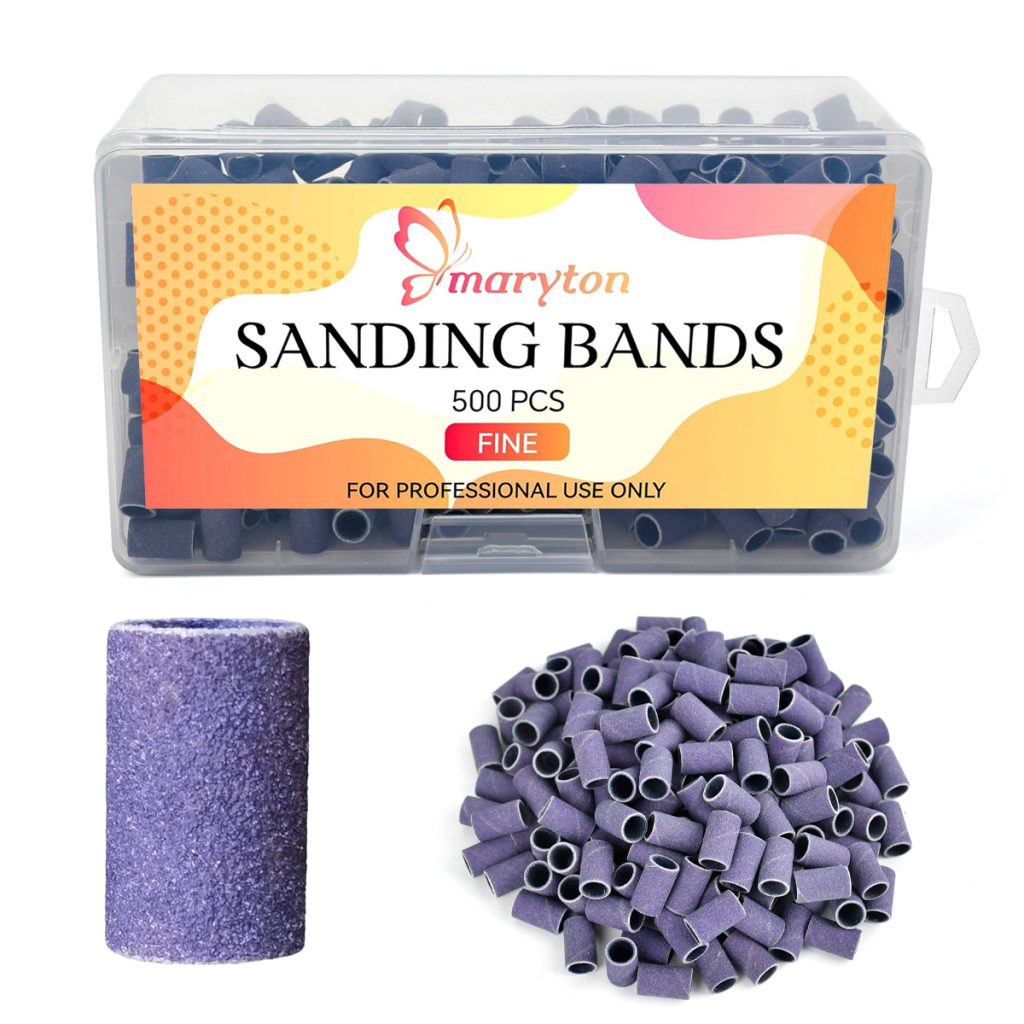
7. Buff smooth. Switch to a fine sanding band or buffer to smooth the surface.
8. Clean and hydrate. Dust off nails, wash hands, and apply cuticle oil.
Pros of E-File Method
- Fast (5-10 minutes for a full set)
- No soaking or foil (less mess)
- Works on all product types (gel, acrylic, hard gel, dip)
- More precise (you control exactly where to remove product)
Cons of E-File Method
- Requires practice (risk of over-filing or burning)
- Expensive initial investment (quality e-files cost $50-200+)
- Loud and dusty (wear a mask if sensitive)
- Not for beginners without training
Which Method Should You Choose?
| Acetone Soak | Electric File | |
| Best for | Beginners, soft gel, gel polish | Professionals, hard gel, acrylic, frequent removal |
| Time | 15-20 minutes | 5-10 minutes |
| Skill level | Low | Medium to high |
| Risk of nail damage | Low (if you don’t scrape) | Medium (if you over-file) |
| Cost | Low ($5-10 for supplies) | High ($50-200+ for e-file) |
| Mess | Foil wraps, acetone smell | Dust, noise |
Common Mistakes That Damage Nails
Peeling or picking. The #1 mistake. Never peel gel polish.
Using non-acetone remover. It won’t work on gel. You need pure acetone.
Over-filing with e-file. Stop as soon as you see your natural nail. Leaving a thin layer of base coat is fine.
Scraping with metal tools. Use wood or silicone pushers. Metal gouges nails.
Skipping cuticle oil after. Acetone and filing both dehydrate nails. Oil immediately.
Aftercare: Restoring Your Nails
No matter which removal method you use, your nails will be slightly dehydrated. Follow these steps:
- Apply cuticle oil to every nail and massage in.
- Use a rich hand cream throughout the day.
- Wait 24-48 hours before applying new gel polish. This gives nails time to rehydrate.
- Consider a nail strengthener if your nails feel thin.
The Bottom Line
Removing semi-permanent polish doesn’t have to be scary or damaging. The acetone soak is gentle, cheap, and beginner-friendly. The electric file is fast and precise—but demands practice.
Whichever you choose, remember: patience is your best tool. Rushing leads to peeling, scraping, and damaged nails. Take the time to do it right, and your natural nails will stay healthy and strong.
Read also: The Truth About White Nails: Causes, Concerns, and Care