Noticing white discoloration on your nails can be puzzling. While sometimes a harmless quirk, it can also signal an underlying issue. Understanding the causes, knowing when to worry, and learning how to care for your nails is key to maintaining their health.
What Causes Nails to Turn White?
White nails can appear in several ways, and each pattern hints at a different cause.
1. White Spots or Lines (Leukonychia): These small, isolated spots or horizontal lines are very common and usually harmless. They are typically caused by minor injuries to the nail matrix (the root of the nail). This can happen from everyday activities like knocking your finger, aggressive manicuring, or even tight footwear for toenails. They grow out with the nail.
2. Fungal Infection (Onychomycosis): This is a leading cause of discoloration, especially in toenails. A fungal infection often starts as a white or yellow spot under the nail tip. As it spreads, the nail may become thicker, crumbly, and detached from the nail bed. The environment inside shoes (warm, dark, moist) is ideal for fungi.
3. Nutritional Deficiencies: While less common in well-nourished individuals, severe deficiencies in protein, zinc, or calcium can sometimes lead to diffuse whitening or bands across the nail. This is usually seen alongside other health symptoms.
4. All-Over Whitening (Terry’s Nails): When most of the nail appears white with a narrow pink band at the tip, it could be a condition called Terry’s nails. This is sometimes associated with systemic health issues like liver disease, kidney failure, or heart conditions, but it can also occur in aging.
5. Other Causes: Certain medications (like chemotherapy drugs), psoriasis, and kidney disease can also manifest as white nail changes.
Is It Contagious?
The question of contagion depends entirely on the cause.
- Fungal infections ARE contagious. The fungus can spread from one nail to another on the same person or to other people through shared nail clippers, towels, or walking barefoot in damp communal areas like locker rooms.
- Non-fungal causes are NOT contagious. Injuries, nutritional issues, and genetic conditions cannot be passed from person to person.
How Are White Nails Treated?
Treatment is targeted at the root cause:
- For Injury-Related Spots: No treatment is needed. They will grow out on their own in 6-9 months.
- For Fungal Infections: This requires persistence. Over-the-counter antifungal creams, gels, or lacquers can help mild cases. For severe infections, a doctor may prescribe oral antifungal medication or medicated nail polish. Treatment can take several months until the healthy nail grows back.
- For Systemic Health Issues: Treating the underlying condition (e.g., managing liver or kidney disease) is essential. The nail changes may improve as overall health does.
- For Nutritional Deficiencies: Addressing the deficiency through a balanced diet or supplements, under a doctor’s guidance, can resolve the issue.
How to Tell the Difference?
Distinguishing between common causes can guide your next steps.
- Minor Spots/Lines: Small, distinct, and don’t change. The nail feels normal.
- Fungal Infection: Often starts at one point and spreads. The nail may become thickened, brittle, powdery, or detached. It usually affects one or a few nails asymmetrically.
- Nutritional Deficiency: Often presents as paired horizontal white bands on multiple nails simultaneously. It’s typically linked to dietary habits or health conditions affecting absorption.
- All-Over Whitening (Systemic): A general pale or white appearance of almost the entire nail bed on most fingers, often with a thin pink tip (Terry’s nails).
When in doubt, always consult a doctor or dermatologist for an accurate diagnosis.
Daily Prevention Strategies
Prevention focuses on good nail hygiene and protecting nail health:
1. Keep Nails Clean and Dry: Fungi thrive in moisture. Dry your hands and feet thoroughly, especially between toes.
2. Trim Nails Properly: Cut nails straight across and file down thickened edges to prevent trauma and debris buildup.
3. Protect Your Nails: Wear gloves for wet work (dishes, cleaning) and gardening to prevent injury and overexposure to chemicals and moisture.
4. Choose Breathable Footwear: Alternate shoes daily and opt for moisture-wicking socks to keep feet dry.
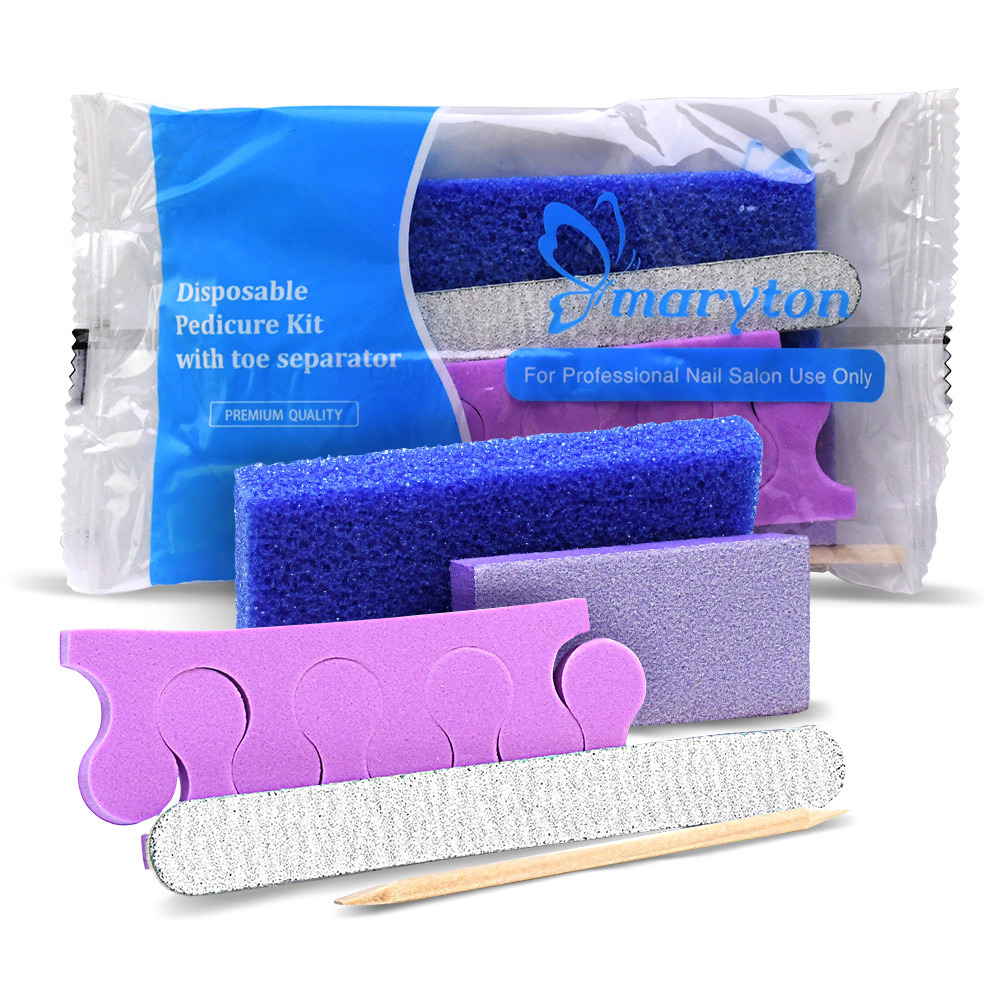
5. Practice Salon Safety: Choose reputable salons that properly sterilize instruments. If circumstances permit, disposable nail supplies are the best option.
6. Avoid Sharing: Do not share nail clippers, files, or shoes with others.
7. Nourish from Within: Maintain a balanced diet rich in protein, vitamins, and minerals to support strong nail growth.
White nails are often a minor issue, but paying attention to their pattern and progression is a simple act of self-care. By understanding the signals your body sends, you can take the right steps to ensure your nails—and your overall health—stay in the best possible condition.
Read also: How to buff your nails?